
Let’s face it, diving into the world of 3D printing can feel a lot like stepping onto a brand-new planet. There are so many machines, so many brands, and a whole language of jargon to learn. When I first started looking into it a few years back, I felt totally overwhelmed. I wanted to create cool stuff, print functional parts for around the house, and maybe even design some intricate models, but where do you even begin? After countless hours of research, forum lurking, and watching what seemed like a million YouTube videos, one name kept popping up with consistently positive chatter: Flashforge.
At first, I was skeptical. Could a brand that wasn’t one of the absolute giants really deliver? The price points seemed incredibly reasonable, which sometimes makes you wonder if you’re sacrificing quality. But the more I dug, the more I heard stories of reliability, user-friendliness, and solid print quality, especially for folks just getting started or those who didn’t want to spend every waking moment tinkering. That’s when I decided to take the plunge and got my first Flashforge printer.
My First Foray: From Box to First Print with Flashforge
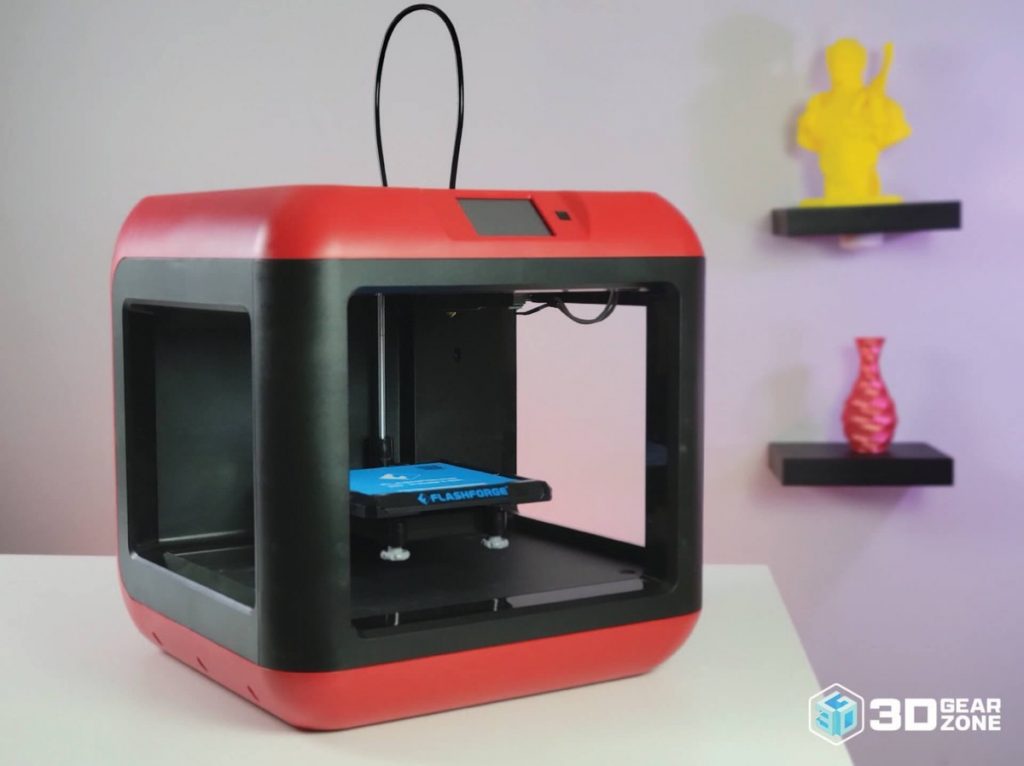
I remember the day my first Flashforge arrived like it was yesterday. The box was bigger than I expected, and a little voice in my head was already preparing for a frustrating assembly process. To my pleasant surprise, it was largely pre-assembled. All I really had to do was unbox it, attach a couple of minor components, load the filament, and follow the clear instructions for calibration. It felt less like building a complex machine and more like setting up a new appliance – a welcome relief for someone who’s not exactly an engineering wizard.
The included FlashPrint software was another pleasant surprise. It’s their proprietary slicer, and it’s genuinely intuitive. Dragging in an STL file, hitting a few buttons to set print quality, and sending it to the printer was incredibly straightforward. My very first print was a simple test cube, and watching the layers meticulously build up was mesmerizing. When I pulled that perfectly formed little cube off the print bed, I felt an incredible sense of accomplishment. It wasn’t just a successful print; it was proof that I could actually do this 3D printing thing.
Of course, it wasn’t *all* smooth sailing forever. There were times when prints failed, usually due to my own impatience or forgetting to check for proper bed adhesion. But each time, the Flashforge community and the readily available troubleshooting guides online helped me figure it out. It was a learning curve, but one that felt manageable and rewarding, largely thanks to the printer’s consistent performance when I did my part.
Exploring the Flashforge Ecosystem: A Printer for Every Maker
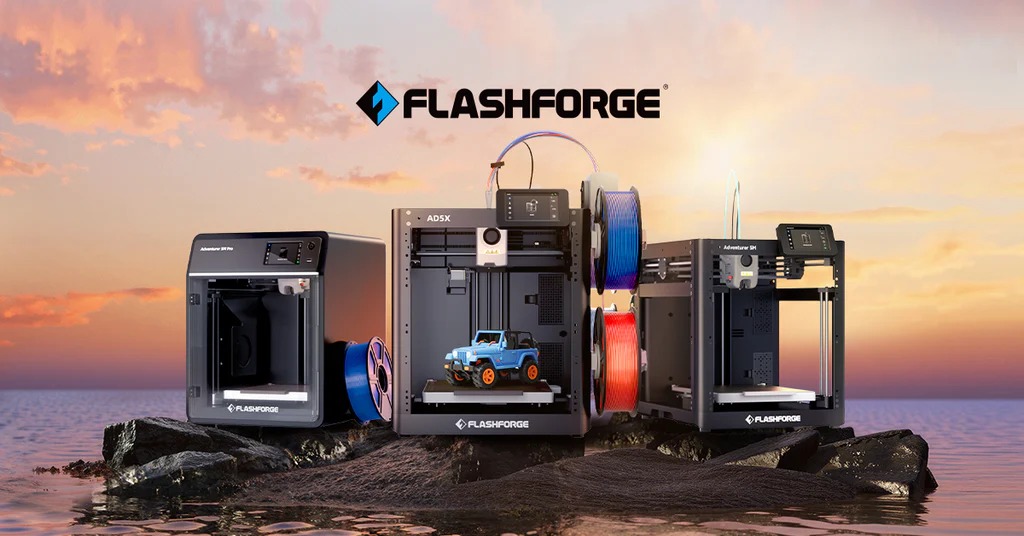
What I’ve come to appreciate about Flashforge is their range. They aren’t just making one type of printer; they really do have something for almost everyone. From the beginner-friendly Adventurer series, which often comes fully enclosed and ready to go right out of the box, to the more robust Creator series with features like dual extrusion for multi-material prints, and even the industrial-grade Guider series for professional applications.
When I eventually decided to upgrade and needed more capabilities, I found myself sticking with Flashforge. It was a natural progression. I knew the software, I understood their design philosophy, and I trusted the build quality. The features across their different models really cater to evolving needs – things like fully enclosed chambers for printing trickier filaments like ABS, heated build plates for better adhesion, and even auto-leveling systems that take a lot of the guesswork out of setup.
If you’re curious about their full lineup and what might be the best fit for your projects, I highly recommend checking out their official site. There’s a ton of information there that really helped me navigate my choices. You can explore their machines and see what suits your needs: Visit Official flashforge Website Now
My Daily Driver: Living with a Flashforge Printer
My Flashforge printer has truly become an indispensable tool in my workshop. I’ve printed everything from replacement parts for household appliances (saving me a trip to the store and some cash!) to intricate cosplay props that require incredible detail, and even custom organizers for my desk.
The print quality, even at faster speeds, has consistently impressed me. Layers are generally smooth, details are crisp, and I rarely encounter issues with layer adhesion or warping, especially when I dial in the settings for different filaments. I mostly use PLA and PETG, but I’ve also dabbled with ABS and even some flexible filaments, and the Flashforge handles them admirably. It’s not a machine that demands constant babysitting, which is a huge plus for me. I can often set a print to go and trust that it’ll be finished successfully when I return.
Of course, like any tool, it benefits from regular maintenance. Keeping the print bed clean and occasionally lubricating the Z-axis screw are small tasks that go a long way in ensuring consistent performance. But these are minor things, part of owning any piece of machinery, and they’re quick and easy to do.
Real Talk from the Community: What Others Are Saying
It’s not just my experience that speaks volumes. I’m part of several 3D printing communities online, and Flashforge printers frequently come up in discussions, often with similar positive sentiments. Here are a few things I’ve seen people say about their Flashforge machines:
* “I got the Adventurer 3 for my son’s birthday, and it’s been a game-changer for him. He’s making all sorts of toys and gadgets, and it’s so easy for him to use. Minimal fuss, great results.” – *Sarah L.*
* “As a small business owner making custom keychains, my Creator Pro has been a true workhorse. The dual extrusion lets me do really cool multi-color designs, and it just keeps printing, day in and day out.” – *Mike T.*
* “I’ve tried a few different brands over the years, and my Guider IIs consistently produces some of the most reliable large prints. The enclosed chamber is fantastic for engineering filaments, and the prints come out dimensionally accurate every time.” – *Jessica P.*
* “Their support team really helped me out when I had a weird issue with my extruder. They were quick to respond and walked me through the fix. It’s great to know there’s actual help available.” – *David K.*
These kinds of comments reflect my own journey and show that my experience isn’t an isolated one. People appreciate the blend of reliability, user-friendliness, and solid performance that Flashforge delivers across its product line.
The Software Side: FlashPrint Makes a Difference
I mentioned FlashPrint earlier, and I really want to emphasize how much of a difference good slicing software makes. FlashPrint, Flashforge’s own slicer, is incredibly user-friendly but also offers a surprising amount of depth for more advanced users. When I started, I just used the basic settings, which produced great results. As I learned more, I started diving into parameters like infill patterns, wall thickness, support structures, and even different print speeds for different parts of a model.
The software is regularly updated, too, bringing new features and compatibility with newer Flashforge models. It integrates seamlessly with their printers, making the whole workflow smooth. While you *can* use other slicers with Flashforge machines (and I’ve experimented with a few), I always find myself coming back to FlashPrint because it just *works* so well with their hardware. It saves presets for different filaments and printers, which is a massive time-saver for repetitive tasks.
Flashforge for Everyone: Who Benefits Most?
Based on my time with Flashforge, I really think they cater to a broad spectrum of users.
* **Beginners and Hobbyists:** If you’re just starting out, an Adventurer series printer is an excellent gateway. They’re often enclosed, relatively quiet, and incredibly easy to set up and use, minimizing frustration and maximizing success.
* **Educators:** Schools and classrooms can benefit immensely from Flashforge’s user-friendly nature and reliability. They’re robust enough to withstand classroom use and simple enough for students to learn quickly.
* **Small Businesses and Designers:** For those needing consistent, quality prints for prototypes, functional parts, or small-batch production, the Creator series or even the Guider series offer the precision and features required without breaking the bank.
* **Advanced Enthusiasts:** Even if you’re an experienced maker, the robust build quality and advanced features on their higher-end models mean you’re getting a reliable machine that can handle complex projects and a wide range of materials.
Essentially, if you’re looking for a 3D printer that prioritizes ease of use, consistent results, and a solid community backing, Flashforge should definitely be on your radar. If you’re ready to see what they have to offer, you can check out their extensive range here: Visit Official flashforge Website Now
Beyond the Box: Support and Resources
Another aspect that often gets overlooked when buying a 3D printer is the support system. While I haven’t had many serious issues with my Flashforge machines, the few times I’ve needed clarification or faced a minor hurdle, I’ve found their customer service to be responsive and helpful. Beyond that, the online Flashforge communities are vibrant. Whether it’s on Reddit, Facebook groups, or dedicated forums, there’s always someone willing to share advice, offer tips, or help troubleshoot. This kind of peer support is invaluable, especially when you’re exploring new facets of 3D printing.
Considering the Investment: Is Flashforge Right for You?
So, after all my rambling, the big question remains: Is a Flashforge printer a worthwhile investment? From my perspective, absolutely. They strike a fantastic balance between performance, reliability, and cost. You’re getting a well-engineered machine that consistently delivers good results without requiring you to be a seasoned technician. The learning curve is gentle, the software is robust, and the community support is strong.
While there are always minor quirks with any 3D printer (it’s the nature of the beast!), Flashforge has proven to be incredibly dependable in my own use. They’ve helped me bring countless ideas to life, solve practical problems around the house, and continuously expand my skills in digital fabrication. For anyone in the US looking to get into 3D printing, or even upgrade an existing setup, I can confidently say that Flashforge provides an excellent pathway.
If you’re ready to start your own 3D printing journey or elevate your current setup, taking a closer look at what Flashforge offers is a great next step. They have a fantastic selection that covers all bases. Visit Official flashforge Website Now
My Final Thoughts on the Flashforge Journey
I started my 3D printing adventure feeling a mix of excitement and trepidation. Flashforge machines made that journey smooth, enjoyable, and incredibly productive. They demystified the process, provided reliable tools, and allowed me to focus on creating rather than constantly fixing. If you’re looking for a solid, dependable 3D printer that performs admirably across a range of tasks, you’d be hard-pressed to find a better option for the value. My workshop wouldn’t be the same without my Flashforge, and I’m genuinely excited to see what they come up with next.
Ready to explore the possibilities yourself? Dive into the world of Flashforge and see which printer calls to your inner maker. You might just find your next favorite tool. Visit Official flashforge Website Now