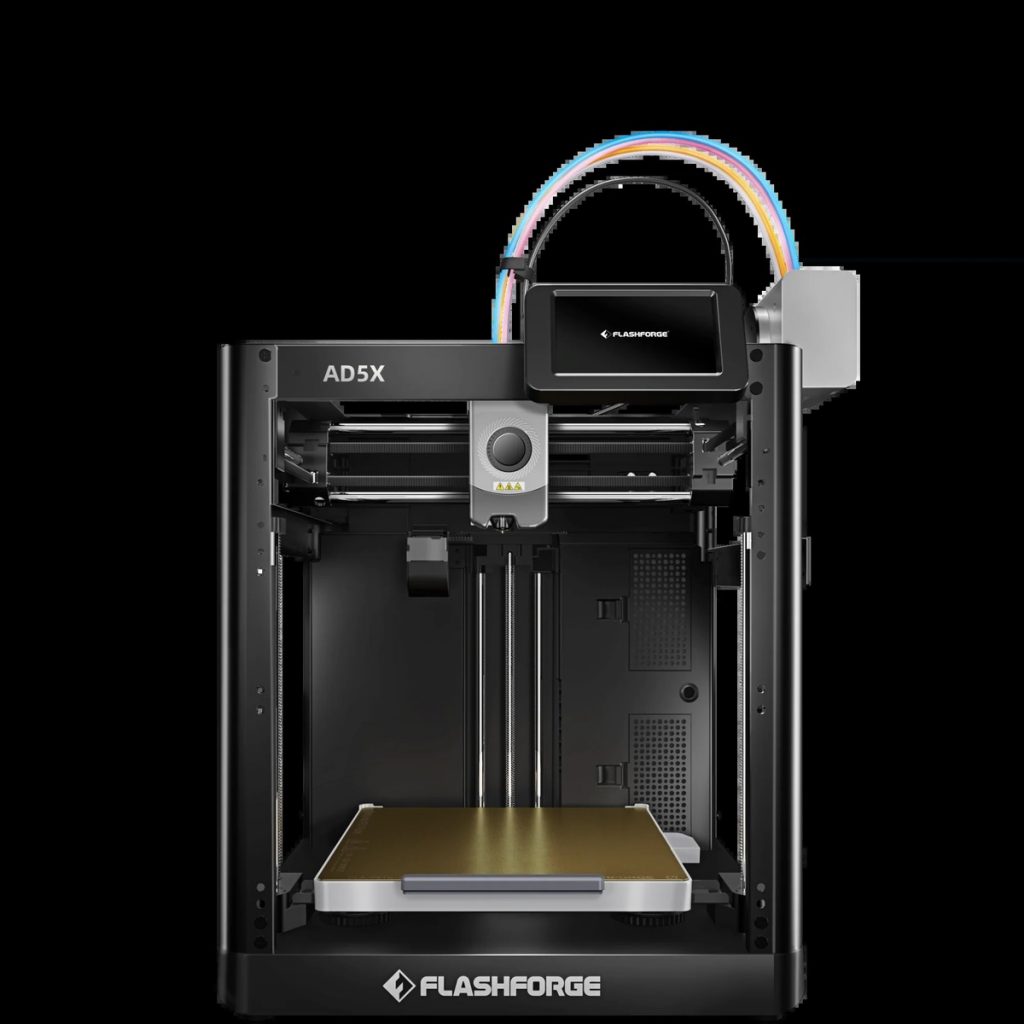

Let’s talk 3D printing, folks. If you’re anything like me, you probably started with a spark of an idea – maybe you wanted to print custom board game pieces, prototype a new gadget, or just marvel at the magic of bringing digital designs into the real world. For me, that journey began a few years back, and I’ve tried a fair few machines in my time. But there’s one brand that consistently stands out for its reliability, innovation, and overall user experience: Flashforge.
Before I dive deep into my personal escapades with these printers, let me just say this isn’t just a review from someone who’s seen a spec sheet. This is coming from countless hours of printing, tweaking, troubleshooting, and celebrating successful prints. If you’re curious about what Flashforge has to offer, or if you’re looking to get into the 3D printing game, you might want to check out their official website. You can explore their full range of products and see what might fit your needs right here: Visit Official flashforge Website Now.
My First Foray into Flashforge: The Adventurer 3 Experience
My entry into the Flashforge ecosystem started with the Adventurer 3. I was looking for something that wouldn’t break the bank, offered good print quality, and was relatively straightforward to set up. Coming from a slightly more “hobbyist” printer that required constant tinkering, the Adventurer 3 felt like a breath of fresh air.
The unboxing experience was surprisingly pleasant. Everything was neatly packed, and the setup was genuinely plug-and-play. I remember thinking, “Is this really all there is to it?” Within about 30 minutes, I had loaded my first spool of filament, navigated the touchscreen interface, and started my very first Flashforge print: a small calibration cube. The enclosed print chamber was a huge plus, not just for temperature stability, but also for keeping curious pets (and dust!) away from my prints.
That little cube came out almost flawlessly. I was hooked. From there, I moved on to more complex models – articulated dragons, functional prototypes for my woodworking projects, and even some intricate miniatures. The Adventurer 3, with its removable and flexible build plate, made print removal incredibly easy, a feature I quickly learned to appreciate after struggling with stubborn prints on other machines.
The built-in camera was a fun addition, allowing me to remotely monitor prints from my phone. It’s not something I used for every print, but for those long, overnight jobs, it offered great peace of mind.
Stepping Up My Game: The Creator Pro and Beyond
As my skills grew and my projects became more ambitious, I found myself needing a bit more. More build volume, more material compatibility, and more control. That’s when I started looking at the Flashforge Creator series, specifically the Creator Pro.
The Creator Pro was a different beast altogether. Dual extruders, a much larger build plate, and a more robust, all-metal frame. This printer felt like a serious upgrade, designed for more intensive use. The learning curve was slightly steeper than the Adventurer 3, mainly because of the dual extrusion capabilities, which open up a whole new world of possibilities – soluble supports, multi-color prints, or printing with different material properties in a single object.
My personal experience with the Creator Pro quickly became about material experimentation. I started dabbling in ABS, something my Adventurer 3 wasn’t quite designed for due to its open-air setup. The Creator Pro’s enclosed design, coupled with a heated bed, made printing with ABS much more manageable, significantly reducing warping. I even tried some specialty filaments like PETG and Nylon, and the Flashforge just kept delivering.
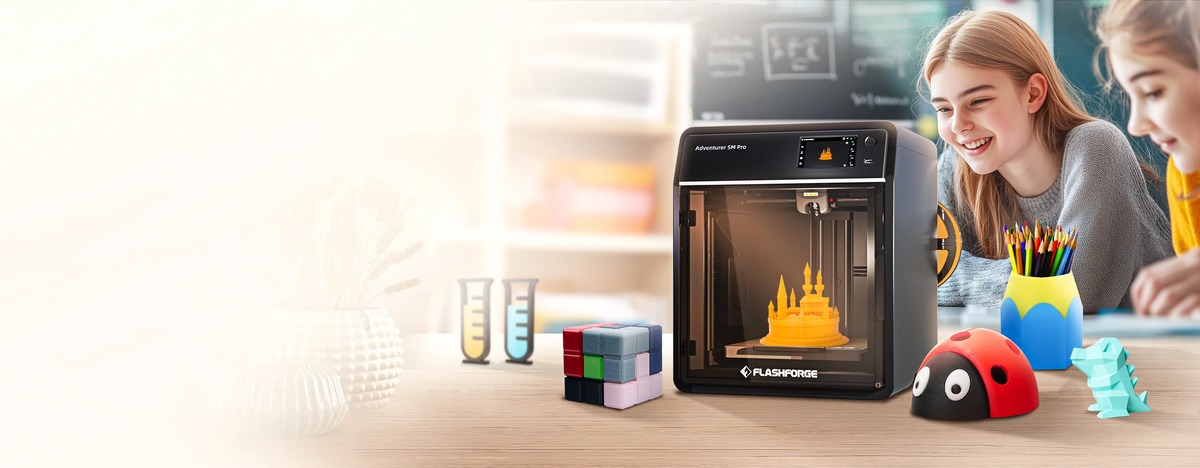
The precision and consistency I got from the Creator Pro were impressive. I often printed parts that needed to fit together perfectly, and the dimensional accuracy was consistently spot on. This allowed me to push the boundaries of my designs, knowing the printer could keep up. For anyone serious about expanding their material options and needing a workhorse machine, the Creator Pro (or its newer iterations) is definitely worth considering.
FlashPrint: The Software Side of Things
No matter which Flashforge printer you choose, you’ll likely be interacting with their slicer software, FlashPrint. And let me tell you, it’s a solid piece of software. It’s intuitive enough for beginners, with simplified modes, but it also offers a surprising amount of depth for experienced users who want to tweak every parameter.
I’ve used a bunch of different slicers, and FlashPrint strikes a great balance. It’s fast, reliable, and integrates perfectly with Flashforge printers. Setting up supports, arranging multiple objects on the build plate, and adjusting print settings are all very straightforward. I particularly appreciate the automatic support generation feature, which often saves me a lot of time by generating effective supports that are also easy to remove.
The constant updates to FlashPrint also show Flashforge’s commitment to improving the user experience. They regularly add new features and refine existing ones, which is something you don’t always see with bundled software.
What Other Creators Are Saying About Flashforge
It’s not just me singing Flashforge’s praises. I’ve been part of various 3D printing communities for years, and the general sentiment around Flashforge printers is overwhelmingly positive, especially regarding their reliability and user-friendliness.
Here are a few comments I’ve seen from other users:
* “I started with a Flashforge Adventurer 4, and it’s been a dream. The auto-leveling actually works, and I’ve barely had a failed print. For a beginner, it took all the frustration out of getting started.” – Sarah T.
* “My Creator 3 Pro has been a workhorse for my small business. The dual independent extruders are fantastic for printing complex parts with soluble supports, saving me so much post-processing time. It just chugs along, day in and day out.” – Mark L.
* “I appreciate how sturdy my Flashforge Guider II is. It feels industrial, and the print quality for larger objects is superb. Had a minor issue with a nozzle clog once, but their support walked me through it quickly.” – Jessica P.
* “For the price, my Flashforge printer offers incredible value. I’ve upgraded a few things here and there, but out of the box, it prints better than some machines twice its cost. Really a solid foundation for anyone serious about the hobby.” – David R.
It’s clear that whether you’re a hobbyist or running a small business, Flashforge offers something for everyone, often exceeding expectations for its price point.
Reliability and Support: My Take
One of the biggest factors for me in any 3D printer is reliability. There’s nothing more frustrating than starting a 12-hour print only to find it failed halfway through because of a mechanical issue or inconsistent extrusion. My experience with Flashforge printers has been remarkably consistent. They tend to just… work.
I’ve had very few mechanical failures with my Flashforge machines. Most of the “issues” I’ve encountered were due to my own user error (like not drying filament properly) or pushing the limits of what a specific filament could do. And even then, the Flashforge ecosystem, with its robust build quality, often makes troubleshooting easier. Parts are generally accessible, and the designs are well-thought-out.
In terms of support, I had one instance where I needed a replacement part for my Adventurer 3 (a fan, after about two years of heavy use). Reaching out to their support team was straightforward, and they were responsive and helpful. It’s always a relief when you know a company stands behind its products, and Flashforge certainly seems to. This kind of peace of mind is invaluable, especially for more complex machines or when you’re relying on your printer for projects.
If you’re still on the fence, or want to compare specific models, I highly recommend spending some time on their official site. They do a great job of detailing the features and specifications of each printer, helping you make an informed decision: Visit Official flashforge Website Now.
Who Is Flashforge For?
Based on my extensive use and observations, Flashforge printers cater to a wide spectrum of users, but they particularly shine in a few key areas:
* **Beginners:** Models like the Adventurer series are perfect. They’re enclosed, generally plug-and-play, and require minimal calibration. This reduces the barrier to entry and lets new users focus on designing and printing rather than constant troubleshooting.
* **Hobbyists:** For those who want more features, larger build volumes, and the ability to experiment with different materials without breaking the bank, the Creator series (like the Creator Pro or its successors) offers excellent value and performance. You get high-quality prints and reliable operation for a variety of projects.
* **Educators:** The ease of use, safety features (like enclosed chambers), and robust build quality make Flashforge printers a fantastic choice for classrooms and educational environments. They can withstand heavy use and provide consistent results for students.
* **Small Businesses/Prototypers:** For those needing reliable machines for functional prototypes, jigs, fixtures, or even small-batch production, Flashforge’s more advanced models (like the Guider series or Creator 3 Pro) provide the necessary precision, speed, and material versatility. The dual extrusion on some models is a game-changer for complex designs requiring soluble supports or multi-material parts.
It’s rare to find a brand that consistently delivers across such a broad range of user needs. Whether you’re printing whimsical figures for fun or precision parts for work, there’s likely a Flashforge printer that fits the bill.
Final Thoughts: Why Flashforge Remains a Top Contender
My journey with Flashforge has been a long and rewarding one. From the satisfying click of my first Adventurer 3 print to the complex dual-extrusion projects on my Creator Pro, these machines have consistently impressed me. They’ve allowed me to bring countless ideas to life, learn new skills, and explore the vast potential of 3D printing without constant frustration.
What truly sets Flashforge apart, in my opinion, is their commitment to creating a balanced user experience. They don’t just focus on raw specs; they focus on how those specs translate into reliable, high-quality prints for the end-user. The synergy between their hardware and the FlashPrint software creates a seamless workflow that I genuinely appreciate.
If you’re on the hunt for a new 3D printer, or looking to upgrade your current setup, I wholeheartedly recommend giving Flashforge a serious look. You’ll find a range of options that deliver excellent performance, great features, and a user experience that allows you to focus on creating, not troubleshooting.
Ready to explore the possibilities? Head over to their official website and see which Flashforge printer is the right fit for your next big project! Visit Official flashforge Website Now.